Garden Clearance in Mitcham
Garden clearance in Mitcham means removing unwanted green waste, old outdoor items and neglected debris so the space can be used properly again. We provide a practical service for households and landlords that need borders, paths, patios or full gardens cleared with care. From brash and cuttings to broken planters, timber offcuts and general outdoor clutter, the aim is to leave the area tidier and easier to manage without creating extra work for you.
If you are planning a larger tidy-up, it helps to break the job into clear, manageable parts. For example, we can deal with loose waste first, then handle heavier items and finally remove awkward piles from sheds, corners or behind structures. That approach is useful when the garden contains mixed material, because green waste, household discard and garden furniture may need different handling. You can also prioritise access routes so the removal is done smoothly.
For a straightforward start, you can request a quotation with a short description of the garden and the materials to be cleared. If you already know which items are staying, that makes planning easier, but it is not essential. A simple outline of what is visible is usually enough to begin. When the clearance is arranged, we can focus on removing the waste carefully and keeping the work organised from the outset.
What garden clearance can include
Garden clearance is not limited to one type of material. In many properties, the work involves a mixture of green waste and general outdoor clutter that has built up over time. That may include cut branches, hedge trimmings, weeds, soil in small quantities, damaged bags, rotting timber, old edging, broken pots and garden ornaments that are no longer wanted. By grouping the material correctly, the clearance can be handled more efficiently and the remaining space becomes easier to inspect and maintain.
There are also jobs where the main issue is not a large quantity of waste, but awkward placement. Items may be behind a shed, stacked along a fence, buried under growth or spread across a narrow side return. In those cases, a clearance service needs to work around access rather than simply loading a pile. We can remove loose debris from beds and borders, lift discarded outdoor items and clear pathways so that the area is easier to use again. If you need to discuss the scope, please ask for a quotation.
Common garden clearance tasks can include:
- removing cuttings, prunings and light green waste
- clearing old compost bags, broken pots and containers
- lifting unwanted fencing offcuts, trellis or timber scraps
- taking away outdoor rubbish from patios, paths and borders
- collecting general garden junk from sheds, corners and access points
Handling overgrown and neglected spaces

Some gardens need more than a simple collection of waste. When growth has been left for a while, the space may contain tangled vegetation, hidden rubbish and damaged outdoor items that are difficult to separate at a glance. A sensible clearance plan starts with identifying what is green waste, what is recyclable and what must be removed as mixed rubbish. That distinction matters because it affects how the work is organised and how quickly the garden can be brought back into usable condition.
In neglected spaces, it is often helpful to clear in stages. First we remove the obvious loose items, then we can tackle thicker piles, heavier debris and material that has been compressed by weather or foot traffic. This method reduces unnecessary disturbance and makes it easier to see what remains in the garden once the main waste is gone. It also helps when there are borders or edges that need to stay intact, since the work can be carried out more carefully around the parts of the garden you want to keep.
Overgrown clearance may also reveal items that were not visible at the start. Hidden plant pots, old toys, broken furniture or accumulated rubbish can appear once the outer growth is lifted away. That is one reason why a clear description of the area is useful before the job begins. If you are unsure how much is involved, a brief outline is enough to get things moving and prepare a sensible quotation.
Garden waste and mixed outdoor rubbish
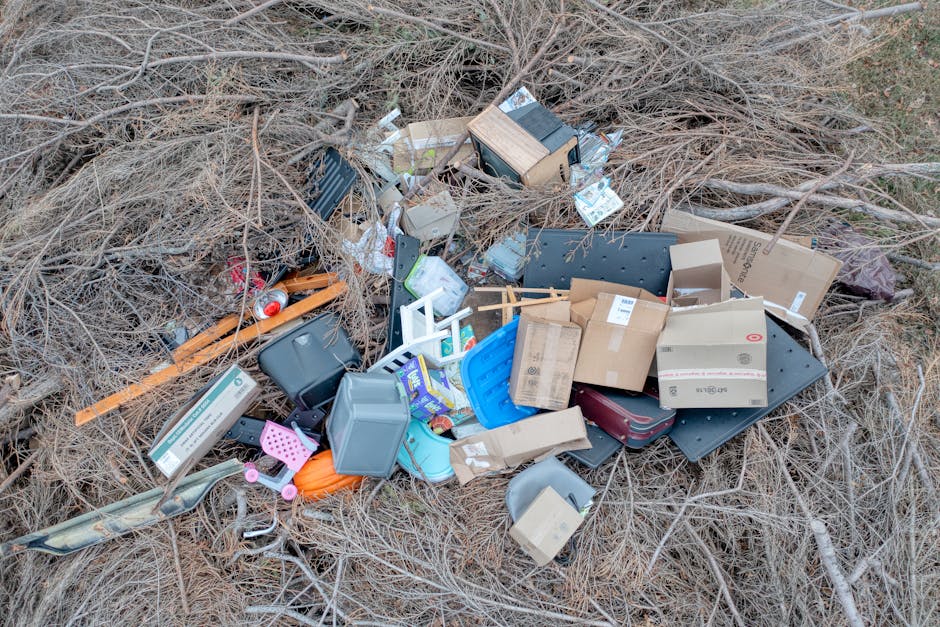
Not every job is pure green waste. Many properties need clearance of mixed outdoor rubbish as well, especially after a season of pruning, home improvement or rearranging the garden. This can include damaged bags, cracked pots, old tools, broken plastic items, soiled textiles used outdoors and odds and ends that do not belong in the compost heap. Treating the waste as one mixed collection can be the most practical approach when the load contains several different materials.
Where possible, we separate the work into sensible groups so the garden is left cleaner and the disposal process remains organised. Dry timber, plant matter, metal fixtures and general refuse may be kept apart during loading, depending on what is present and how the job is arranged. If there are materials you would like handled carefully, it is worth mentioning them at the start. Clear communication helps avoid delays and means the collection can be planned around the actual contents rather than assumptions.
Before you arrange the clearance, it is worth deciding whether the job is focused on one section or the whole garden. Border tidy-up, patio clearance and complete outdoor removal are all slightly different tasks, even though they overlap. A concise message about the state of the space, together with any access notes, is usually enough for an accurate response. Then you can compare the scope with confidence and move forward when the price is clear.
Outdoor furniture, timber and bulky items
Garden clearance often includes bulky items that are no longer needed outdoors. These might be weathered chairs, benches, plant stands, tables, damaged storage boxes or other garden furniture that has reached the end of its use. Some items are too heavy to move conveniently without help, while others are awkward because they are partially broken or have sharp edges. A good clearance service deals with these items in a controlled way so they can be removed without adding unnecessary mess to the space.
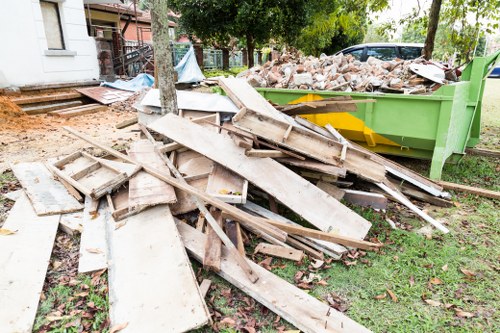
Timber and other bulky materials can also become part of a garden clearance after repairs, landscaping or demolition of old features. Fence panels, sleepers, trellis sections, pergola offcuts and similar pieces may need to be carried out separately from green waste. If the material is stacked in different spots, a well-planned collection avoids repeated trips and allows the job to progress in a practical order. This is especially helpful when the garden contains a mix of light and heavy waste.
When the items are spread across a patio, shed entrance or narrow path, access can be more important than quantity. It helps to know whether the load needs to be carried through the house, taken out by side access or collected from the rear of the property. You do not need to prepare everything in advance, but a clear note about where the main items sit makes the job easier to price and schedule. If you are ready, request a quotation and include the key details.
Garden clearance for tidier use of outdoor space
A clearance is often about more than removing visible rubbish. Once the waste is gone, the remaining space can be easier to plan for planting, storage or general use. A tidier garden makes it simpler to check paths, edges, beds and hardstanding areas, and it can reveal what needs repairing or retaining. We focus on removing the unwanted material so the space is left in a condition that is easier for you to manage next.
That may involve clearing a single section first, such as a back corner, or working through the garden in a more complete way. The right approach depends on the mix of waste, the amount of access available and whether some items must stay in place. If there are features you would like protected during removal, such as paving, planters or fragile edging, it is sensible to point them out before the work starts. That helps keep the clearance precise and avoids unnecessary disturbance.
For jobs that need a quick decision, a short written description can still be enough. Include what is being removed, how much of the garden is affected and whether the waste is concentrated in one area or scattered. Then we can shape the service around the actual task rather than a generic estimate. When you are ready to take the next step, ask for a quotation and we can help you move forward.
About Mitcham
Mitcham is a district in the London Borough of Merton, in south-west London, with a long history shaped by its position on the River Wandle and by the open land that once surrounded the settlement. The area is known for a mixture of older streets, suburban housing and public green spaces, with Mitcham Common forming one of its best-known landscapes. The common is a large expanse of open ground that has long provided space for walking and informal recreation, and it remains a defining feature of the local character. The River Wandle also gives the area a clear natural thread, linking Mitcham to the wider history of mills, industry and settlement along the valley. Within the district, the built environment ranges from historic churches and older civic buildings to later residential development, showing how the area has changed over time while retaining recognisable local landmarks. Mitcham Fair Green is another longstanding focal point, reflecting the older village core and the social life that once centred around the green. Local transport connections, including the Tramlink route through the area and nearby rail access, have also shaped Mitcham’s growth and its connection to neighbouring parts of London. Taken together, these features give the district a layered identity: partly urban, partly green, and marked by the steady interaction between residential life, open space and the corridor of the Wandle.
How the clearance is planned
Good planning makes a practical difference to the outcome of a garden clearance. The work usually begins with understanding what is present, where it is located and whether there are any awkward access points. A brief description can cover the main waste types, but it also helps to mention if items are behind a gate, across a lawn, down side access or stored near fragile planting. Those small details shape the order of work and help avoid unnecessary backtracking once the collection starts.
It is also useful to decide whether the job is a one-off clearance or part of a larger outdoor tidy-up. In some gardens, clearance comes before pruning, planting or basic maintenance; in others, it follows after a building project or a seasonal clean-up. Either way, the aim is to remove the unwanted material without interfering with the rest of the space. Where several types of waste are present, the collection can be organised so that the right materials are handled together and the site is left in a sensible state.
When you want a more accurate figure, send the main details in one message rather than piecemeal updates. That makes it easier to assess the job and reduces the chance of missing an important item. You do not need a perfect inventory, but the more clearly the garden is described, the easier it is to prepare a quotation that matches the work. Clarity at the start usually saves time later.
Choosing the right scope for your garden

Not every garden clearance needs to cover the whole outdoor area. Some customers only need a patch of waste removed from a patio, while others want the entire garden cleared from boundary to boundary. It is useful to separate the work into the smallest sensible scope because that helps with pricing, timing and the handling of different materials. If the job includes both garden rubbish and bulky items, the scope should mention both so the collection is planned correctly.
There are also times when a clearance is best combined with a second task, such as removing items from a shed, clearing a garage threshold or dealing with a small amount of house hold-over from the garden. Those cases still need clear description because the material may not all be green waste. If you have a mixture of outdoor and indoor items, say so early. That way the arrangement reflects the real workload rather than an assumption about the contents.
If you are unsure how much to include, think in terms of zones: front, side, rear, beds, path, patio and storage areas. A zone-based description often provides enough structure for an accurate quote and stops important details being missed. It is a practical way to turn a vague request into a clear job, and it makes it simpler for us to respond usefully when you are ready to proceed.
Recycling, sorting and responsible disposal
Responsible garden clearance is not only about taking things away. The way the waste is sorted matters as well, especially when the load includes a mixture of plant material, timber, plastics, metal and general refuse. Green waste can often be handled separately from mixed rubbish, while reusable or recyclable components may also be separated where appropriate. This creates a more orderly process and supports better disposal decisions once the collection has left the property.
Some outdoor materials are straightforward to identify, while others are more mixed and need a little more attention. Soil, roots, damaged plastic pots and weathered timber may all appear in the same section of a garden, so the clearance needs to be practical rather than overcomplicated. If particular items should be treated carefully or kept separate, mention that when you ask for the job to be priced. A clear note at the start helps avoid confusion.
For many customers, the most helpful outcome is simply to have the garden left easier to use and less cluttered. That can mean removing heavy items, cutting back the amount of waste sitting in one place or clearing a route through the space. To move things on, request a quotation and provide the basic outline of what needs to go. The rest can be arranged around the actual work involved.
Getting a quotation for garden clearance

A useful quotation begins with a clear picture of the task. The best starting point is a short description of what needs removing, where it is located and whether it is mostly green waste, mixed rubbish or bulky outdoor items. If you know roughly how much is involved, that can also help. You do not need to write a long explanation; a concise message with the right details is usually enough to assess the work properly.
It can also help to mention anything that may affect access or handling. Narrow gates, uneven ground, items stored behind other objects and waste spread across several parts of the garden can all influence how the clearance is arranged. If there are specific pieces you want handled separately, include them in the message so the scope stays accurate. Once that is clear, the quotation process is simpler and the arrangement can be tailored to the job itself.
For a direct start, send the details and ask for a quotation. If your garden is only partly full, describe the sections that matter most; if it needs a fuller clearance, say so plainly. Either way, the aim is to make the next step straightforward and practical. When the scope is understood, the collection can be organised without fuss and the outdoor space can move closer to being useful again.