Common problems with bulky waste collection in Mitcham
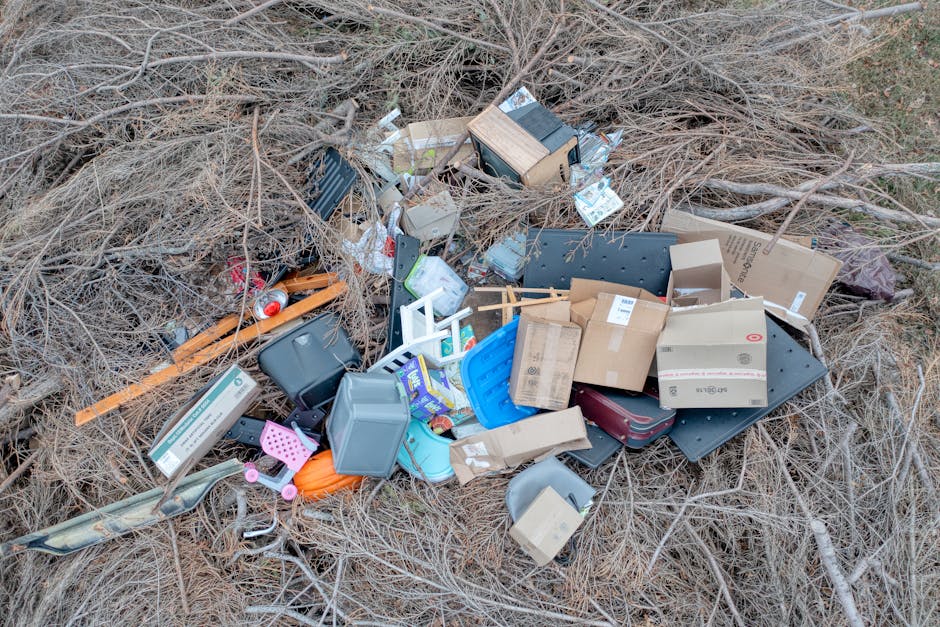
Bulky waste sounds simple until you actually need it moved. A mattress leaning in the hallway, a broken wardrobe blocking the loft ladder, an old sofa that will not fit through the door without half the frame coming apart - suddenly it is not just "clearance", it is a small logistics problem. That is exactly why Common problems with bulky waste collection in Mitcham matter: they affect timing, cost, access, safety, and how smoothly your home or business gets back to normal.
If you are dealing with large items in Mitcham, you are probably trying to balance convenience with doing things properly. Maybe you are clearing a flat after a move, sorting out a garage, or dealing with mixed rubbish after a refurbishment. Either way, the same frustrations keep cropping up. In this guide, we break down what bulky waste collection involves, the common snags people hit in Mitcham, and how to avoid the usual headaches without making the job harder than it needs to be.
- Why bulky waste collection problems matter
- How bulky waste collection works
- Key benefits and practical advantages
- Who this is for and when it makes sense
- Step-by-step guidance
- Expert tips for better results
- Common mistakes to avoid
- Tools, resources and recommendations
- Law, compliance, standards and best practice
- Options and comparison table
- Case study or real-world example
- Practical checklist
- Conclusion
- Frequently asked questions
Why Common problems with bulky waste collection in Mitcham Matters
Bulky waste collection is not just about getting rid of unwanted items. It is about doing it safely, legally, and with as little disruption as possible. In Mitcham, that matters because homes, flats, terraced properties, shared entrances, narrow stairs, and limited parking can all make a straightforward collection a bit more fiddly than people expect.
When bulky waste is left too long, the problems can snowball. Hallways become cluttered, fire exits get blocked, and damp or pests can become an issue if damaged furniture or household waste is kept in poor conditions. In a business setting, the impact is even more immediate: staff lose space, customers see a mess, and work slows down. Truth be told, a missed collection can derail a whole day.
There is also a trust issue. People often assume bulky waste collection is a quick lift-and-go job, then discover it involves item lists, access checks, lifting risks, and sometimes separate handling for recyclable materials. If you understand the common problems in advance, you can plan properly and avoid the "we thought it would be fine" moment that nearly everyone has at least once.
Expert summary: The biggest bulky waste problems in Mitcham are usually not the items themselves, but access, timing, mixed waste, unclear pricing, and poor preparation. Fix those early and the whole process becomes much calmer.
How Common problems with bulky waste collection in Mitcham Works
At a basic level, bulky waste collection is the removal of items too large, heavy, awkward, or unsuitable for normal household bins. That can include sofas, wardrobes, beds, white goods, office furniture, shelving, garden materials, and renovation debris. A proper collection service usually starts with understanding what needs to go, where it is located, and whether anything needs special handling.
In practice, the process tends to follow a few stages. First, you identify the items and confirm whether they are general bulky waste or need separate treatment. Then you look at access: stairs, lifts, parking, gates, narrow paths, or shared entrances. After that comes booking, arrival, lifting, loading, and disposal or recycling. Simple on paper. Not always simple in real life.
That is where the common problems begin. A sofa might be too large to angle through a doorway. A loft may not be safely accessible. A garage may be so packed that the waste is hidden behind other items. Or the collection team may arrive and discover that the load is heavier or more mixed than described. These delays are avoidable, but only if the job is set up properly from the start.
If your clear-out is more than a single item, you may find it helpful to think beyond bulky waste alone. A wider waste removal approach can be more practical for mixed loads, while a focused furniture clearance may suit a living room or bedroom refresh. For fuller home projects, services such as home clearance or house clearance can make the job easier to organise.
Key Benefits and Practical Advantages
It may sound obvious, but getting bulky waste handled well saves time, space, and a lot of frustration. The biggest benefit is probably peace of mind. Once you know the items are being removed properly, you can stop stepping around them, stop worrying about damage, and get on with the next task. Small relief. Big difference.
There is also a practical side. A well-planned collection reduces the chance of damage to walls, stair edges, flooring, or door frames. That matters in Mitcham flats and older properties where tight access is common. It also helps with safety. Heavy lifting done badly is one of those jobs that seems easy right up until someone twists awkwardly or drops an awkward item. Not ideal, and not worth the risk.
Another benefit is better sorting. Reusable or recyclable items are easier to separate when the load is assessed correctly. That can support more responsible disposal, which is especially useful if you care about reducing landfill use or keeping a project tidy. For some households, that is the main reason they choose a structured service rather than trying to piece together several trips themselves.
And yes, it can be cheaper than making repeated attempts with the wrong vehicle, the wrong time, or the wrong approach. A few false starts and suddenly the "quick DIY job" is eating a whole weekend. We have all seen that one play out.
Who This Is For and When It Makes Sense
Bulky waste collection in Mitcham is useful for a wide range of people, not just homeowners doing a spring clean. It makes sense whenever an item is too large, too heavy, or too awkward for normal disposal routes. That includes one-off clear-outs and larger property jobs alike.
You may need it if you are:
- moving out and need old furniture removed quickly
- clearing a flat with narrow stairs or shared hallways
- emptying a garage, loft, or shed after years of buildup
- replacing office desks, chairs, or storage units
- dealing with builders' debris, fixtures, or mixed refurbishment waste
- removing old garden items, fencing, or broken outdoor furniture
For example, a landlord turning over a rental in Mitcham may have a sofa, a mattress, and a few broken shelves all in one space. That is not really a "single item" job. In cases like that, a more complete service such as flat clearance or office clearance can be a better fit than trying to handle pieces separately.
It also makes sense if you are short on time. Let's face it, the average person has better things to do than hire a van, borrow straps, and figure out where to take a three-seater sofa. Convenience is not a luxury here; sometimes it is the whole point.
Step-by-Step Guidance
If you want a smoother bulky waste collection, preparation is everything. The process below is a good way to avoid the most common problems and keep things moving.
- List every item clearly. Write down what needs to go, including approximate size and how many pieces there are.
- Separate bulky waste from general clutter. Keep mattresses, furniture, appliances, and loose rubbish in different piles if possible.
- Check access routes. Measure doorways, note stairs, and decide whether items need dismantling first.
- Clear a path. Move smaller objects out of the way so the collection team can carry items safely.
- Flag anything unusual. If an item is extremely heavy, fixed in place, damp, damaged, or contaminated, say so upfront.
- Ask about sorting and disposal. If you want recyclable items handled responsibly, confirm how they are separated.
- Book a realistic time window. Traffic, parking, and access in Mitcham can all affect timings, so build in some breathing room.
One small but important detail: if you are clearing furniture from upstairs, do not wait until the collection team is at the door to realise the bed frame will not turn the corner. That is the sort of thing that turns a tidy morning into a very long one.
If the job includes damaged or awkward furniture, you may also want to look at furniture disposal as part of your planning. For homes where the issue is more clutter than a single item, a garage clearance or loft clearance may be the more realistic route.
Expert Tips for Better Results
Over time, the difference between a smooth collection and a frustrating one usually comes down to a handful of small choices. These are the tips that tend to matter most in real homes and businesses.
- Measure first, guess later. A tape measure saves more time than confidence does.
- Photograph the items. A few pictures help avoid misunderstandings about size and condition.
- Keep mixed waste under control. If you mix bulky waste with loose rubble, sacks, or garden cuttings, the job can become slower and less tidy.
- Think about dismantling. Removing legs, doors, or shelves can make a difficult item manageable.
- Plan parking access. In some parts of Mitcham, parking is the quiet villain of the day. You only notice it when the vehicle cannot stop close enough.
- Choose the right service scope. A single sofa is different from a full property empty. Match the service to the actual task.
A good rule of thumb: if the job feels "almost manageable" but not quite, it probably deserves more planning than you think. That is the awkward middle ground where delays happen.
For businesses, it is worth choosing a provider that can work around operating hours and handle collections without disrupting staff or customers. If that is your situation, business waste removal may be more appropriate than a household-style arrangement.
Common Mistakes to Avoid
The most common problems with bulky waste collection in Mitcham often start with simple mistakes. They are easy to make, and to be fair, people only tend to learn them once. Here are the big ones.
- Underestimating item size. A wardrobe in a spare room can look harmless until it is in the hallway.
- Leaving everything until the last minute. Late planning leads to rushed decisions and higher stress.
- Not checking access. Tight stairs, locked gates, and low ceilings can all cause delays.
- Mixing recyclable items with general rubbish. This makes sorting harder and can affect how the waste is handled.
- Forgetting about heavy lifting risks. One person can often move small items. Large items are another story entirely.
- Assuming all bulky waste is the same. It is not. Furniture, appliances, and renovation waste each need different handling.
Another mistake is ignoring the emotional side of a clear-out. Sounds odd, maybe, but it matters. A family home clearance can involve memories, delays, and decisions that take longer than expected. If you rush, you end up keeping the wrong things or binning something you meant to keep. Slow down where it counts.
Tools, Resources and Recommendations
You do not need much specialist kit to plan bulky waste collection well, but a few basic tools help a lot. A tape measure, marker pen, phone camera, gloves, and sturdy bags are enough for most households. If items need dismantling, keep the right screwdriver, hex keys, or spanner nearby before collection day.
For larger jobs, a few practical resources can make life easier:
- Room-by-room notes for sorting what stays and what goes
- Simple photo records so everyone is clear on what is being collected
- Access notes for stairs, lifts, parking, gates, and timed restrictions
- Sorting piles for furniture, garden waste, builders' debris, and general junk
- Service information so you can match the right clearance type to the job
If your clutter has spread beyond one room, the right service can save a lot of fuss. A garden clearance may suit outdoor items and green waste, while builders waste clearance is a better fit after refurbishment work. For property-wide jobs, house clearance remains one of the most useful options to consider.
If you are comparing service quality, details matter. Ask how collections are priced, what happens to reusable items, how recycling is handled, and whether the team is insured. You can also review the company's pricing and quotes information and its recycling and sustainability approach before booking. That little bit of checking now saves awkward surprises later.
Law, Compliance, Standards, or Best Practice
For bulky waste, the safest approach is to follow established UK waste-handling best practice. That usually means using a provider that understands duty of care, keeps waste traceable, and disposes of items appropriately rather than cutting corners. If you are a homeowner, the main thing is to avoid handing waste to anyone who cannot explain where it will go.
For businesses, the standards are even more important. Commercial waste should be managed in a way that is documented, sensible, and consistent with your obligations. If there is mixed material, especially from an office, workshop, or refurbishment, it should be separated where practical and handled by people who know how to deal with it properly. No drama, just good practice.
Safety matters too. Large lifts, awkward stairs, and heavy items should be assessed rather than rushed. This is where insured, trained handling makes a real difference. If a property has restricted access, fragile flooring, or shared areas, it is worth being extra careful. The aim is not simply removal. It is removal without causing new problems.
For readers who want to look at service standards more closely, it can help to review a provider's health and safety policy, insurance and safety information, and general company background on about us. That kind of transparency is usually a good sign. If something feels vague, ask more questions. Better a slightly fussy customer than a messy pickup.
Options, Methods, or Comparison Table
Different bulky waste situations call for different methods. The right choice depends on volume, item type, access, and how quickly you need the space back.
| Option | Best for | Pros | Common drawbacks |
|---|---|---|---|
| Self-removal | Very small amounts and easy access | Full control, flexible timing | Heavy lifting, transport hassle, multiple trips |
| Local bulky waste collection | Simple, limited items | Convenient for standard loads | Timing limits, item restrictions, access requirements |
| Private clearance service | Mixed loads, tight access, urgent jobs | Faster, more flexible, can handle awkward items | Needs clear quoting and good preparation |
| Full property clearance | Moves, probate, end-of-tenancy, major decluttering | Best for large, varied loads | More planning needed, may include multiple waste types |
For many Mitcham households, the private clearance route is the most practical when access is tricky or the load is mixed. For a simpler one-off item, a standard approach can be enough. The key is matching the method to the reality of the job, not the hope that it will somehow be easier than it looks.
Case Study or Real-World Example
A typical Mitcham scenario goes like this. A family is clearing a two-bedroom flat after replacing the main furniture. They have a sofa, a bed base, a wardrobe, a broken chest of drawers, and a few smaller bits from the spare room. At first glance, it sounds manageable. Then they notice the wardrobe will not fit around the landing corner unless it is dismantled, and the sofa sits just a little too tightly against the doorframe.
They start by separating the items, measuring the doorways, and identifying what can be taken apart. That small prep step makes the actual collection far smoother. The sofa is carried out without scraping the wall, the wardrobe is reduced into panels, and the smaller pieces are loaded separately. Instead of a frazzled, stop-start afternoon, the clear-out becomes a straightforward, tidy job.
The lesson is simple. Most bulky waste problems are not dramatic. They are practical. A few centimetres here, a narrow staircase there, a missing parking space, and suddenly the plan needs adjusting. Once you expect that, it stops being stressful.
That is why many people pair bulky waste removal with a more structured service such as furniture clearance or, if the project is bigger, a broader home clearance. The point is not to overcomplicate things; it is to stop the job turning into a puzzle halfway through.
Practical Checklist
Use this checklist before collection day. It is simple, but it catches most of the usual issues.
- Have you listed every bulky item that needs removing?
- Have you measured the largest pieces and checked the access route?
- Have you cleared a path to the front door or collection point?
- Have you separated furniture, appliances, garden waste, and loose rubbish?
- Have you noted anything heavy, fragile, damp, or awkward to lift?
- Have you confirmed parking or loading access if needed?
- Have you decided whether anything should be dismantled first?
- Have you checked how the items will be handled or recycled?
- Have you reviewed the provider's safety and pricing information?
- Have you left yourself enough time so the collection does not feel rushed?
One-line reminder: preparation beats panic. Every time.
Get a free quote today and see how much you can save.
Conclusion
The most common problems with bulky waste collection in Mitcham are usually practical rather than complicated: awkward access, underestimated item sizes, poor planning, mixed waste, and unclear expectations. Once you know what tends to go wrong, the process becomes much easier to manage. A little measuring, a little sorting, and a little honesty about the scale of the job can save a surprising amount of time.
Whether you are clearing one bulky item or several rooms' worth of furniture, the best results come from matching the service to the task and preparing the space before collection day. That is the difference between a smooth lift-and-load and a stressful day with doorframes, stairwells, and a growing pile of frustration.
If you are sorting a clear-out in Mitcham, take it one step at a time and keep the basics tight. It really does make life easier, and honestly, that small sense of calm when the space is finally clear is hard to beat.
Frequently Asked Questions
What are the most common problems with bulky waste collection in Mitcham?
The main issues are usually access problems, large items not fitting through doors or stairs, poor preparation, mixed waste, and unexpected delays caused by parking or loading restrictions.
Do I need to dismantle furniture before bulky waste collection?
Not always, but it often helps. Beds, wardrobes, and large shelving units are much easier to remove when they have been partly taken apart first.
Can bulky waste collection handle mixed household items?
Yes, in many cases. It depends on the type of waste and how mixed the load is. Clear, separated piles usually make the process smoother and quicker.
Why do bulky waste collections get delayed?
Delays often happen because the access is tighter than expected, items are heavier than described, or the collection team needs more time to sort or lift the load safely.
Is bulky waste collection suitable for flats in Mitcham?
Yes, but flats can be more difficult because of stairs, shared entrances, lifts, and parking. That is why it helps to plan access carefully before the collection day.
What should I do before booking a bulky waste removal service?
Make a list of items, measure anything large, clear access routes, and check whether any items need dismantling. A few photos can also help avoid misunderstandings.
How do I know if I need furniture clearance or a full house clearance?
If you are removing just a few large items, furniture clearance may be enough. If you are clearing several rooms or an entire property, house clearance is usually more appropriate.
Are bulky waste items recycled?
Often, yes, where the item type and condition allow it. Reusable and recyclable materials should be separated where possible, though the exact handling depends on the service and the waste involved.
What should I ask a bulky waste provider before I book?
Ask what is included in the quote, how access issues are handled, whether the team is insured, and what happens to recyclable or reusable items.
Can I put bulky waste out on the pavement and leave it there?
It is better not to assume that is acceptable. Collections should be arranged properly so the items are removed safely and without causing problems for neighbours or pedestrians.
Is bulky waste collection expensive in Mitcham?
Costs vary depending on the number of items, access, labour involved, and disposal requirements. Clear information and accurate item descriptions usually help keep quoting straightforward.
What is the safest way to move large waste items?
The safest approach is to clear a route, use enough people for the weight involved, and avoid lifting anything awkward without proper preparation. If in doubt, let trained handlers deal with it.